The Plutocrats Have Discovered That Their Old Song and Dance Isn’t Working
In my opinion, this story from today’s Wall Street Journal is significant for three reasons:
- Because it’s from the Wall Street Journal—not, say, from The New Republic;
- Because of what it says: essentially, that recent election outcomes, especially in New York, show that the old plutocratic political playbook is not working anymore; and
- Because of what it does not say, namely, that the plutocrats who think this is only a “messaging problem” are whistling past the graveyard.
No, ladies and germs, you can’t message your way out of the fact that the top 1% hold 32% of all household wealth, while low and middle income families fall further and further behind.
No, messaging your way out of this will not cut the mustard.
Instead, you need to begin by remembering that pigs get fed while hogs get slaughtered.
In any event, the WSJ writes,
Wall Street Realizes It Needs More Than Money to Counter Mamdani: After big primary wins by the mayor’s progressive allies, New York’s business elites are rewriting their political strategy
New York City became Mamdani’s town on Tuesday night, after his preferred slate of far-left candidates for congressional House seats beat incumbents backed by the business community and political institutions. The Democratic Socialists of America picked up even more victories for local races, signaling that an anticapitalist and anti-Israel message was winning over voters in much of the city.
“It’s actually a very, very scary outcome, and I think it serves as an awakening for people,” said Steven Fulop, chief executive of the Partnership for New York City, a business group that advocates for companies such as Pfizer and JPMorgan Chase.
In an election where money was a central issue—namely, who has it and who is spending it—the wealthy business elites are now confronted with a city whose voters doubled down on the Democrats’ hard-left flank.
In calls among donors and political strategists, the postmortem analysis was stark: Money alone can’t save candidates with a weak ground game and a muddled message. Where to go next, though, is unclear.
One longtime strategist has floated a kind of political-giving organization that functions like the Robin Hood Foundation—the poverty-focused nonprofit whose board is stacked with finance luminaries—and gathers money to support moderate causes and candidates. Others described a desire to fund the otherwise unglamorous work of get-out-the-vote campaigns and candidate development. The name of at least one CEO was raised as a future challenger, as if just mentioning him could will a mayoral campaign into existence.
Whether any of it will make a difference remains to be seen.
The shift in power was palpable Thursday afternoon. The mayor gave a speech at a fundraiser in Midtown Manhattan for the Police Athletic League, which is chaired by John Catsimatidis, the billionaire businessman whose New York City radio station 77 WABC has become an outpost for antisocialist sentiment.
After Mamdani’s talk, Catsimatidis took to the lectern to address the rankled crowd.
“The mayor is an important component of New York City right now,” Catsimatidis said, “and he’s become a very popular person.”
For over a decade until 2013, there was practically a mind meld between New York City government and the finance industry under the reign of billionaire Michael Bloomberg, who even rearranged government offices to more closely resemble trading floors.
Now, those on Wall Street and in the business community worry they are seeing the twilight of their influence.
It doesn’t help them that the mayor has been everywhere during a buoyant June. Mamdani attended a World Cup match in New Jersey and followed the New YorkKnicks as the team won its first National Basketball Association championship in 53 years, boosting his popularity among younger, more educated voters.
But those voters have struggled to make ends meet. Support for Israel, which remains strong in the finance industry, has proved either toxic or irrelevant to voters outside rarefied circles.
Rep. Dan Goldman, who holds a House seat in a district that includes lower Manhattan and parts of Brooklyn, was defeated by Mamdani ally Brad Lander, who criticized Goldman’s acceptance of donations through a website run by the American Israel Public Affairs Committee.
“The DSA’s message was pretty simple: Aipac is bad, Israel is committing genocide and we need to throw the bums out,” said Chris Coffey, CEO of Tusk Strategies, who has advised more-moderate Democrats. “The establishment’s message was harder to galvanize around.”
Establishment Democrats and their financial backers have, in effect, become the target. Darializa Avila Chevalier, one of Mamdani’s picks, drew criticism for speaking harshly of former Vice President Kamala Harris—whose presidential campaign maintained close ties to Wall Street and Big Law.
Donors and strategists say the party’s moderate wing is struggling to articulate a message that isn’t just “we’re not Trump.” They add that Democrats’ lack of a ground game allowed the DSA, with its promises to freeze the rent and expand city-run child care, to outflank traditional candidates.
Optimists say it wasn’t a total loss. Micah Lasher, an establishment Democrat who most recently worked for Gov. Kathy Hochul, beat more liberal candidates, including a Kennedy scion, to represent the Upper East and Upper West Sides of Manhattan.
Sen. Chuck Schumer and Rep. Hakeem Jeffries both occupy party leadership positions and still enjoy broad support from wealthy moderate Democrats. Operatives see several potential challengers to the mayor, including Jessica Tisch, the police commissioner; Julie Menin, the City Council speaker; and U.S. Rep. Ritchie Torres, who represents New York’s 15th Congressional District in the Bronx.
Fulop said establishment Democrats should pivot to an optimistic message that emphasizes more jobs and better opportunities.
Some institutions have already tried. Earlier this year, Citigroup pledged $60 billion in financing for more affordable housing over five years.
“While a socialist agenda expanding its reach in the capital of capital may be a bit ironic, it’s another example of how front and center the issue of affordability is,” said Edward Skyler, a former deputy mayor under Bloomberg, who is now an executive at Citigroup. “But there are opportunities for the public and private sectors to work together as banks do when they finance affordable housing in New York and throughout the country.”
Appropriately, this post ends with future Senator Murphy doing one of classic song and dance routines.
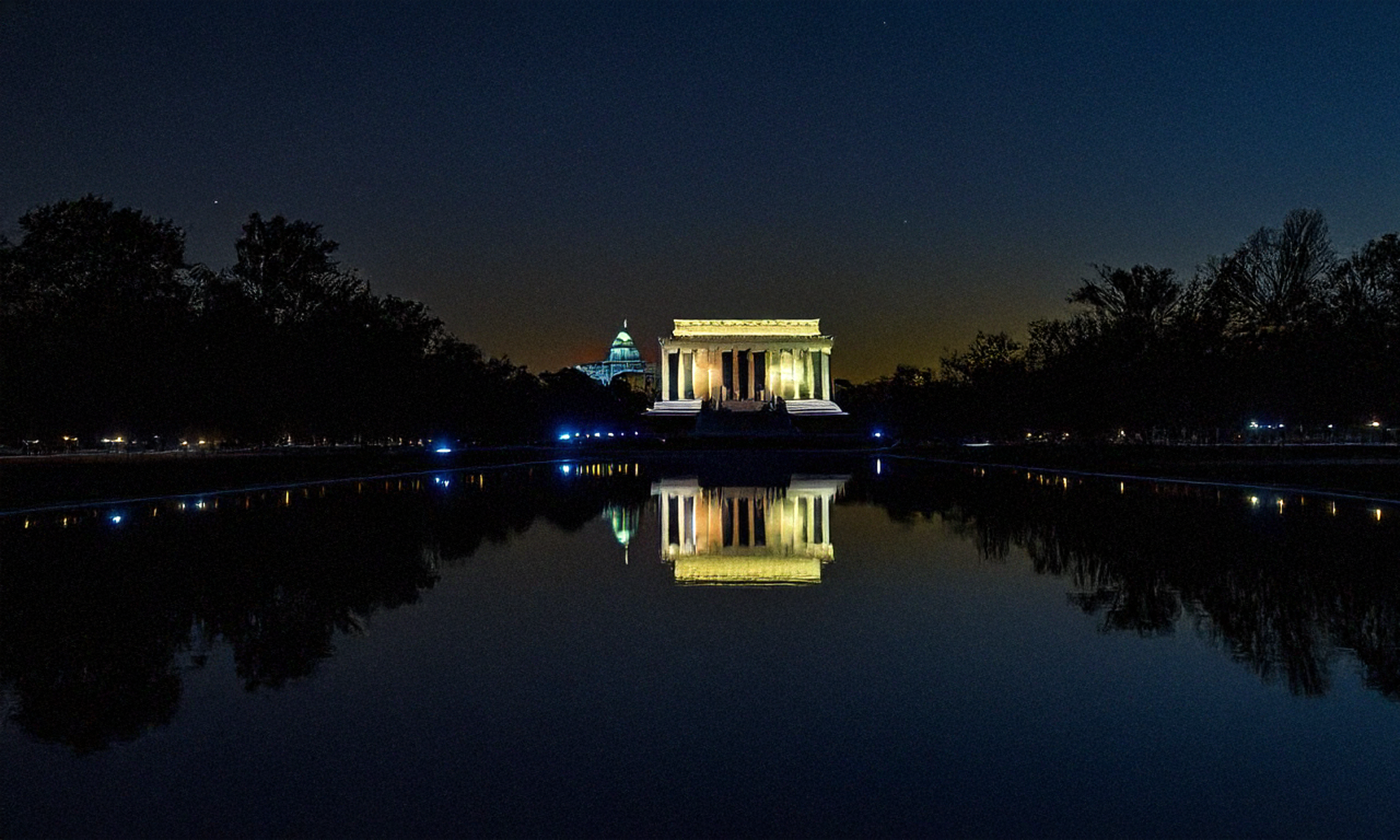
Iran Closes the Strait Again. The New Blue Paint is Peeling Off the Reflecting Pool. Trump Says Vandals are Responsible. The Vandals are Probably the Same Illegal Aliens That Vote Illegally in Our Elections.
Today’s Statement by the Iranian Joint Military Command
“In light of the United States’ clear breach of its commitments regarding the first article of the memorandum of understanding to end the war, and the Zionist regime’s continuous violations of the ceasefire in southern Lebanon, the command hereby that the Strait of Hormuz will be closed to all vessel passage.”
Today’s Statement by Malignant Narcissist Spreading Delusions About the Reflecting Pool
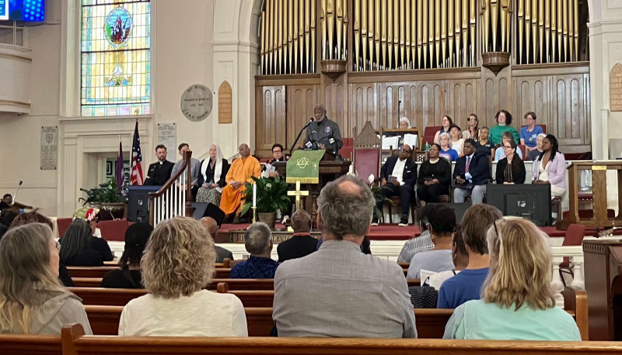
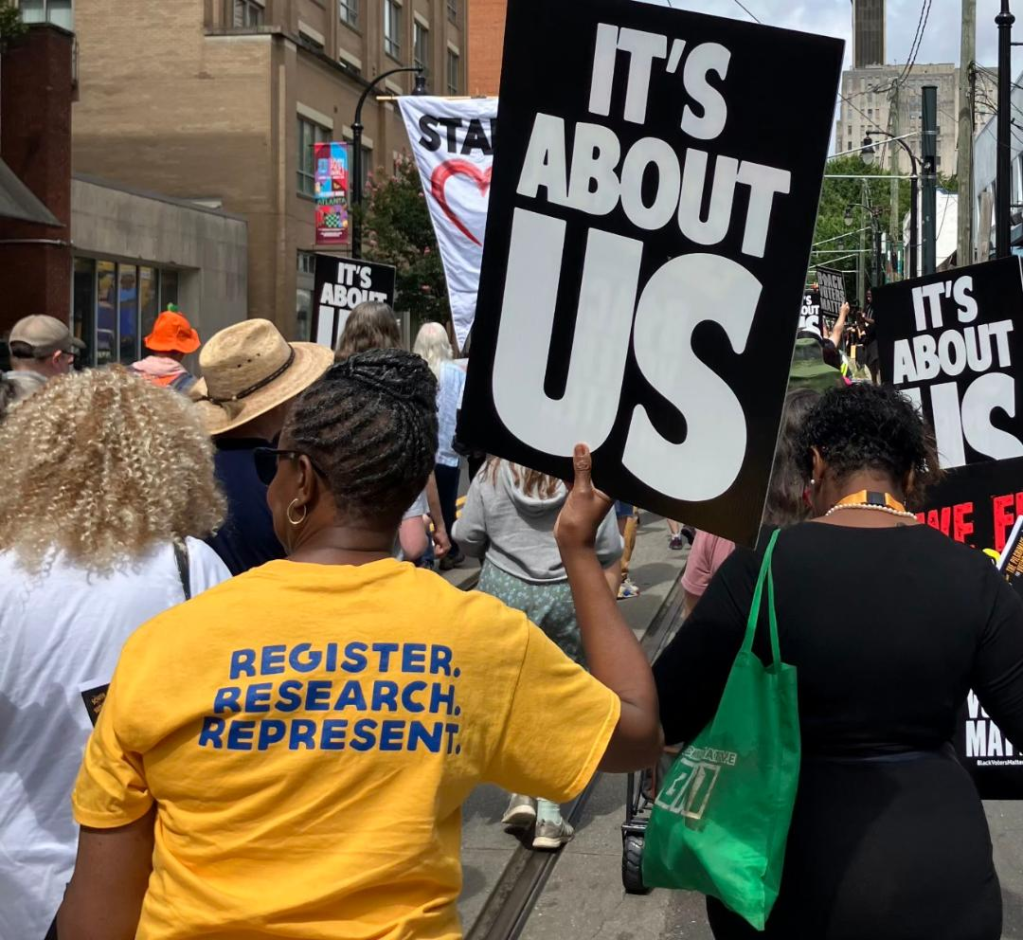
Big Bethel AME and Happy Acres Progressives Raise Holy Hell. Georgia Republicans Cry Uncle on Redistricting.

As Trump Predicted, Iran War Ends in Unconditional Surrender
A Song for Donald Trump
Deal or No Deal? Hallucination or No Hallucination?
Here on Saturday, June 13, in the US Eastern Time Zone, the hour is past 6PM and night is drawing nigh.
The Washington Post solemnly informs us that “U.S. and Iran to close deal within a day, Trump says, but Tehran yet to confirm: An agreement would extend the ceasefire and pave the way for a longer truce, leaders said, though a Tehran official denied that a deal will be signed Sunday.” Meanwhile, the Noo Yak Times, somewhat more fulsomely, lets us know that
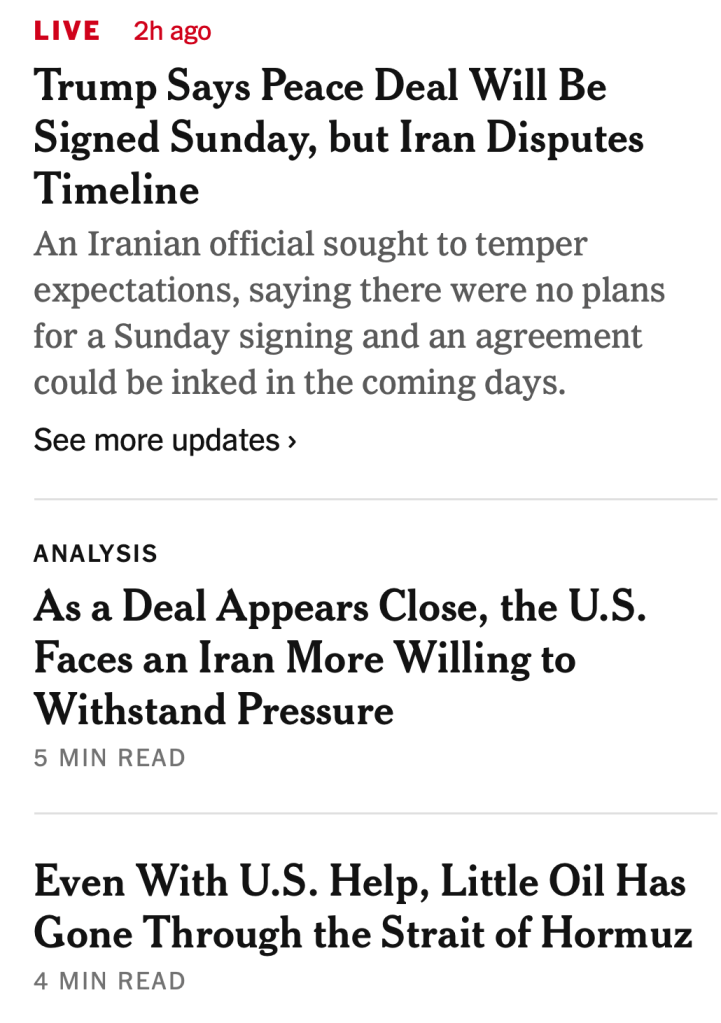
Starting with March 23 this year, this is the 38th time Trump has claimed an Iran deal is just around the corner.
We appear to be living in the age of hallucination. KPMG, one of the Big Four accounting firms, just released a major report on the impact of AI on business going forward. It provided many examples to support its conclusions. A large number of the examples were themselves AI hallucinations.
Meanwhile, K&L Gates, a top law firm, submitted a brief to a federal court in California where nine of 27 citations were wrong, including two non-existent cases hallucinated by an artificial intelligence program.
Up in Washington, at the White House, the cage fight will start in about an hour and a half. One assumes that Orange Mussolini will take time out to enjoy the human cock fight and will, temporarily, stop acting like someone whose mind has been occupied by an incompetently designed, delusional AI chat bot.
After the cage fight is all over and they’re taking away the bodies, I expect we will begin to hear more belligerent delusions about an Iran deal signing ceremony.
Will there in fact be a deal by this time next week? I very much doubt it. If you would like to bet a nice steak dinner on that, let me know.
I’m even more confident that if a deal is reached next week, it will heavily favor Iran.
If not, I expect there will soon be some dead Iranian negotiators.
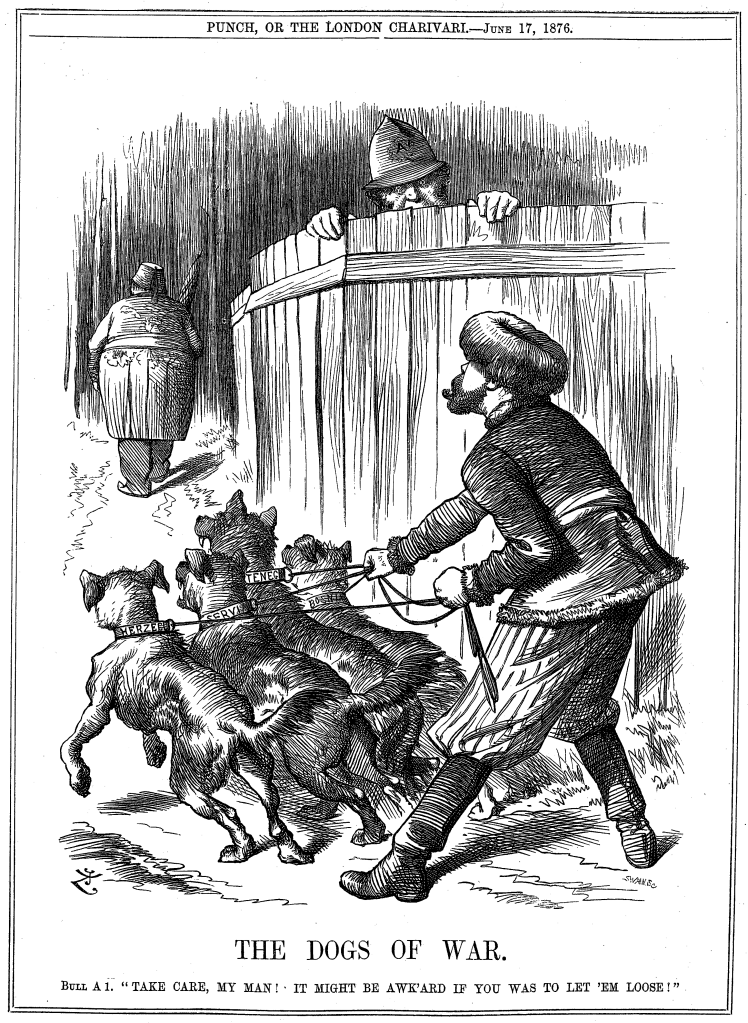
Cry Havoc! and Let Slip the Dogs of War
Bullying. Bluster. Delusional bullshit.
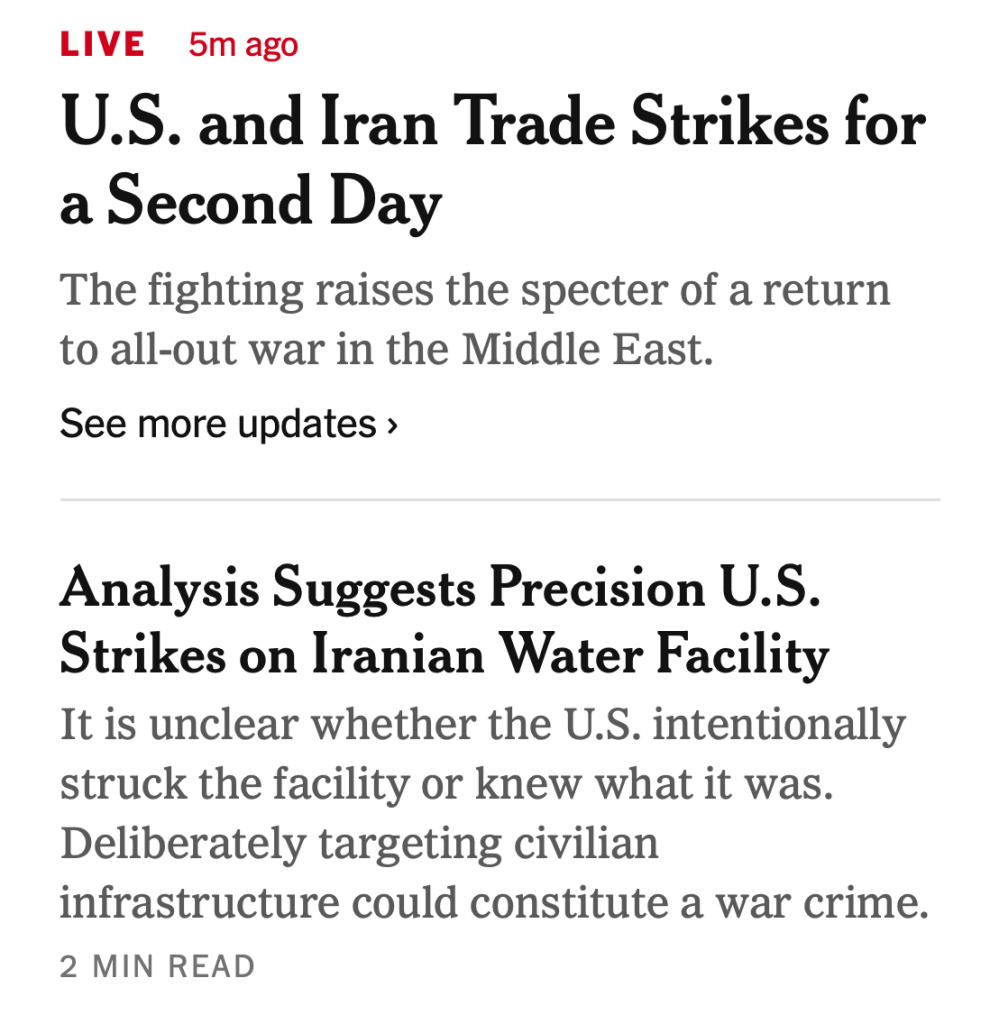
Today, he’s back to bullying. And maybe committing war crimes.
He will fail again.
Tomorrow, it will be back to delusional bullshit.
And more failure.
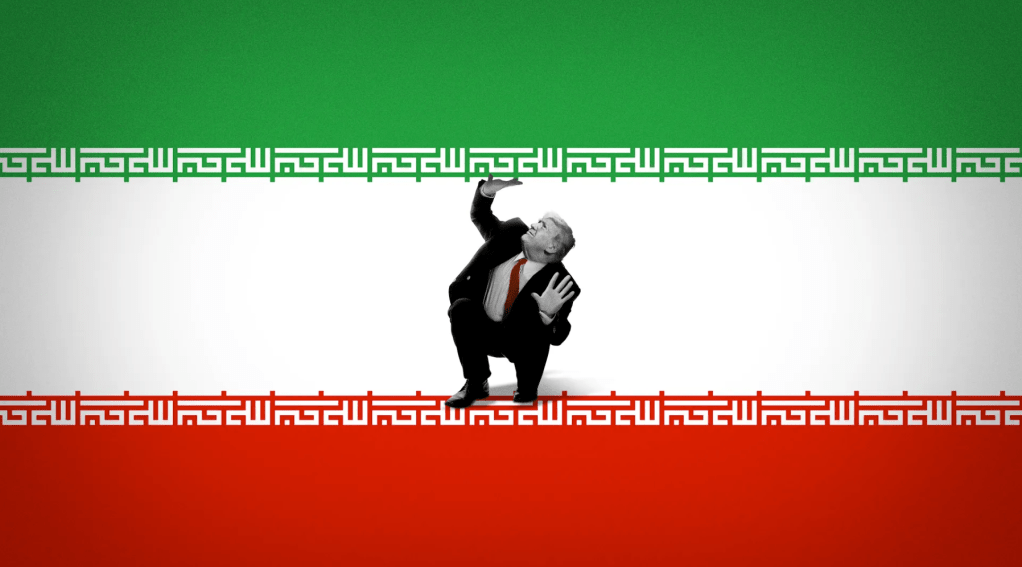
Narcissistic Collapse
To remind you:
Steven Beschloss is a journalist, writer, and adjunct professor at New York University. He is the brother of historian Michael Beschloss.
Mary Trump, the niece of Donald Trump, earned a doctorate in clinical psychology and has made a cottage industry of analyzing her uncle’s many mental disorders.
J.D. Vance is How Civilization Dies
War and Peace: A Comprehensive Summation from Today’s Guardian. It is Not a Pretty Picture.
Trump’s failure to maintain ceasefires is part of the new world disorder – and ordinary people pay the price | Simon Tisdall
There are visionary statesmen and high-minded negotiators, pragmatic mediators and professional diplomats – and then there are meddling fools. As ceasefires implode, vast numbers of civilians die or flee, and wars Donald Trump started, fuelled or pledged to resolve rage unchecked, there’s no doubt which category he belongs to. In baseball parlance, in Ukraine, Iran-Lebanon and Israel-Palestine, Trump is “0 for 3”. He boasted he alone could cut deals and bring peace. He’s delivered neither. In striking out, he mostly makes matters worse.
The heroic age of 19th-century diplomacy, typified by Prince Metternich’s great power-balancing “concert of Europe” and Benjamin Disraeli’s Balkan “peace with honour”, is history now. But it’s not that long since Nobel-winning peacemakers such as the UN chief Kofi Annan and the Finnish diplomat Martti Ahtisaari, or the US senator George Mitchell, who brokered Northern Ireland’s Good Friday agreement, were troubleshooting intractable conflicts the world over. Where are the successors to Desmond Tutu, Andrei Sakharov or Yitzhak Rabin when you need them?
Nowadays, ceasefires fail with grim regularity. Lebanon’s latest effort flopped this week. Others, like that in Iran, are broken daily. Sudan has no ceasefire at all. And why has it become so hard to end “forever wars”? Amid record levels of global strife, a lack of respected, impartial go-betweens and bold political risk-takers is one key reason. The gulf in ability between, say, Richard Holbrooke, the US diplomat who helped settle the Bosnian war, and Trump’s amateur envoys, Steve Witkoff and Jared Kushner, is akin to that between Arsenal and a Sunday park football XI.
Factually speaking, Trump’s diplomatic record is lamentable. He promised to resolve the Ukraine war in a day. It’s now in its fifth year. He blatantly sided with Russia, told a browbeaten Ukrainian president, Volodymyr Zelenskyy, he had “no cards”, and cut weapons supplies. Yet Trump overplayed his hand while underestimating Russian president Vladimir Putin’s propensity to cheat and Ukraine’s resilience. Kremlin officials ran rings round the credulous Witkoff and Kushner during Moscow “negotiations”. To their shame, the dynamic duo has yet to visit Kyiv. Trump, having lost face, has lost interest, too. Convinced that the tide is turning, Zelenskyy is now proposing a ceasefire– which, on past form, Putin will reject.
After illegally attacking Iran in February, Trump declared a ceasefire in April with none of his main objectives met and with the strait of Hormuz largely closed to shipping. Violations occur daily, half-hearted “peace talks” via shadowy third parties lead nowhere, and the global economy splutters. Again, Trump underestimated the challenge, overestimated the power of brute military force to change political realities, followed his own (woefully bad) instincts, sidelined European allies and vainly sought a quick, easy victory. Now he faces a drawn-out conflict, a Congress in revolt and an angry public.
In Gaza, meanwhile, the world-shattering triumph Trump proclaimed last October, when a truce was agreed and Israeli hostages freed, rings distinctly hollow. His 20-point plan, pivoting on the disarming of Hamas, quickly ran into the sand. His “Board of Peace” and grandiose ideas for Gaza’s reconstruction lack credibility. The reality is continuing, unconscionable Palestinian suffering and expanding Israeli military occupation. Now Trump’s co-conspirator, prime minister Benjamin Netanyahu, is doing to southern Lebanon what he did to Gaza – creating a depopulated desert – and thereby obstructing a US-Iran deal. The two men had a furious row last week.
Trump’s serial failures reflect a bigger problem. Ceasefires and truces have come and gone in conflict zones such as Yemen, Myanmar and the Democratic Republic of the Congo in recent years without leading to lasting settlements. In Sudan, agreement to observe a humanitarian pause, let alone cease hostilities, remains elusive after more than three years of civil war. Visceral lack of trust between warring parties is a poisonous common factor. So, too, are sheer intransigence and an erroneous zero-sum belief in total victory.
The chronic inability to permanently resolve wars often stems from an absence of organised, recognised peace processes. Almost forgotten are the days when empowered UN envoys engaged with all parties, created working groups and proposed phased confidence-building measures and timelines. There was a long period when US secretaries of state, such as Henry Kissinger, Warren Christopher and John Kerry, undertook energetic shuttle diplomacy in pursuit of peace. In contrast, Marco Rubio, today’s state department incumbent – a smoothly ambitious man untroubled by principle – stands back from the fray, telling his boss he’s right when he’s wrong. Only Trump and Rubio seem surprised that Hezbollah, excluded from peace talks by their US hosts, rejected the latest Lebanon ceasefire.
The obdurate, refractory nature of modern conflict mirrors today’s world. In a global order lacking agreed rules, where major powers and non-state actors treat international law and international courts with contempt, the business of war and peace grows similarly anarchic. For unscrupulous regimes bent on maximising national advantage, no agreement is deemed unbreakable, no dishonourable breach too shameful to shrug off. Without rules, peace deals cannot ultimately be enforced.
Institutional weakness is exacerbated by the venality and banality of politicians. Soft-power tools, dialogue, logic and persuasion, moral imperatives and historical context are devalued and scorned. Overwhelming force, instant results and market-moving soundbites are prioritised. In this unpoetical wasteland, the “long term” is a foreign concept and truth and justice a lost cause. Even peace is a relative term in an era when a bellicose US president, bomber of multiple countries, can claim, in Nineteen Eighty-Four doublespeak, that he deserves a Nobel peace prize.
Endless, futile wrangling over ceasefires obscures the terrible impact of conflict on ordinary people and compelling human reasons for halting the violence. Since the Iran war began, at least 3,468 people have reportedly died inside the country, 26,500 have been injured, and millions displaced. Attention has been deflected, for example, from the still-unaccounted for Minab primary school bombing on 28 February, when US forces allegedly killed more than 100 children. If full-scale fighting resumes, there will be more atrocities, more needless suffering.
Civilian casualties continue to increase across the wider Middle East. In Lebanon, where thousands have died despite a previous (failed) ceasefire, Unicef provided a snapshot of the last week in May when, it reported, 77 children were killed or injured. Such tragedies recall the horrors of mass infant and child deaths at the height of the Gaza war. They are 77 reminders why ceasefire negotiations are not self-congratulatory political shows or social media entertainments, as Trump’s daily commentaries suggest, but urgent matters of life and death.
None of these wars will ultimately be ended by military force. It’s not about who has the biggest bombs or who gets to declare a specious victory, Mr Trump. It’s about people’s lives. As has mostly held true through history, it’s diplomacy – professional, active, skilled and well-practised diplomacy – that opens the door to peace.

