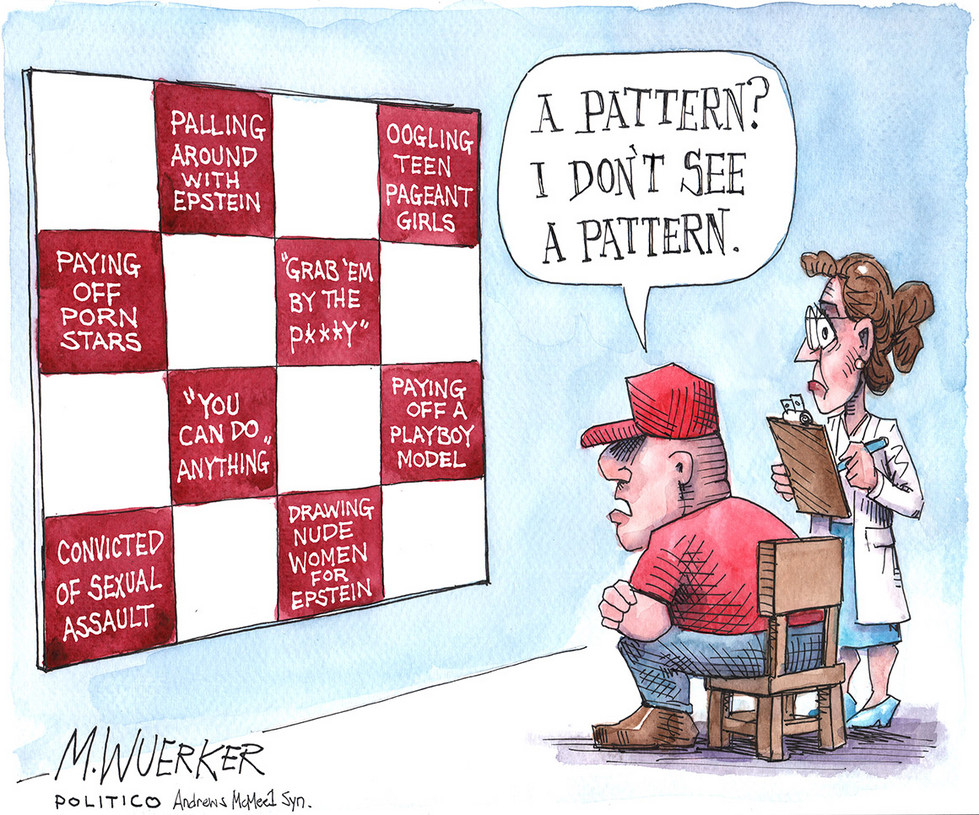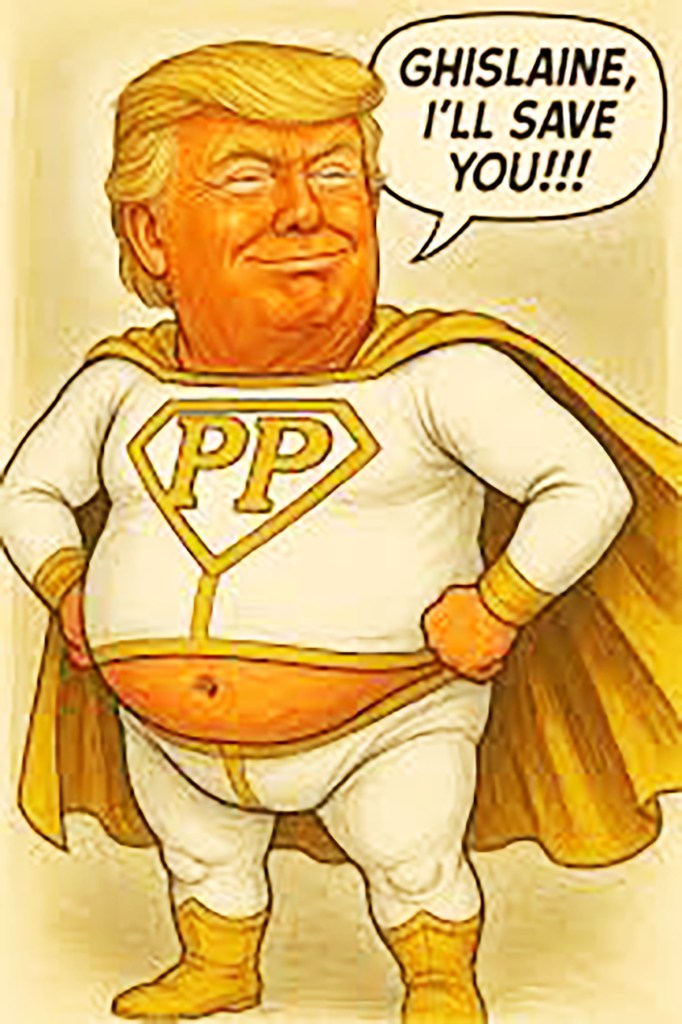

The Guardian, JD Vance’s attempt to link Democrats to Epstein renews calls to ‘release the files’: Vice-president tries to deflect criticism and blames Biden for doing ‘absolutely nothing’ about convicted sex offender. The Guardian writes,
Four days after JD Vance reportedly asked top Trump administration officials to come up with a new communications strategy for dealing with the scandal around the late convicted sex offender Jeffrey Epstein, he appears to have put his foot in it, sparking a new round of online outrage even as he tried to defuse the furor.
In an interview with Fox News broadcast on Sunday, the vice-president tried to deflect criticism of the administration’s refusal to release the Epstein files by blaming Democrats. He accused Joe Biden of doing “absolutely nothing” about the scandal when he was in the White House.
“And now President Trump has demanded full transparency from this. And yet somehow the Democrats are attacking him and not the Biden administration, which did nothing for four years,” he said. Epstein’s former girlfriend, Ghislaine Maxwell, was convicted of conspiring with Epstein to sexually abuse multiple minor girls and sentenced to 20 years in federal prison during the Biden administration.
If Vance’s attempt to switch public blame onto Democrats was the big idea to emerge from his strategy meeting with attorney general Pam Bondi and FBI director Kash Patel, which according to CNN he convened at the White House last week, then their labours appear to have backfired. (Vance denied to Fox that they had discussed Epstein at all, though he did acknowledge the meeting took place.)
Within minutes of the Fox News interview being broadcast, social media began to hum with renewed cries of “release the files!”
Clips of Vance smearing Democrats quickly began to circulate on X. “We know that Jeffrey Epstein had a lot of connections with leftwing politicians and leftwing billionaires … Democrat billionaires and Democrat political leaders went to Epstein island all the time. Who knows what they did,” he said. Vance also repeated Trump’s previously debunked claim that Bill Clinton had visited Epstein’s private island dozens of times. Clinton has acknowledged using Epstein’s jet, but denied ever visiting his island.
“Fine. Release all the files,” was the riposte from Bill Kristol, the prominent conservative Never Trumper who urged the documents to be made public with “no redactions of clients, enablers, and see-no-evil associates”.
Jon Favreau, Barack Obama’s former head speechwriter, replied: “Release the names! Democrats, Republicans, billionaires, or not. What are you afraid of, JD Vance?”
Favreau added that Trump’s name “is in the Epstein files”. That was an apparent reference to a report in the Wall Street Journal last month that a justice department review of the documents conducted under Bondi had found that the president’s name did appear “multiple times”.
Other social media users used the Fox News interview as an excuse to re-run video of Trump in the hosting Epstein and Maxwell at Mar-a-Lago.
Epstein died in August 2019, during Trump’s first presidency, while the financier and socialite was awaiting trial in a Manhattan jail; the death was ruled a suicide.
The White House has been caught in a bind over the Epstein affair which spawned conspiracy theories among many of Trump’s supporters, which now senior figures in the administration had actively encouraged during the 2024 campaign.
In July the justice department announced that there was no Epstein client list and that no more files would be made public, a decision that clashed with earlier statements from top Trump officials, including Bondi’s statement in February that a client list was “sitting on my desk right now to review”. The decision triggered an immediate and ongoing uproar that crossed the partisan political divide.
Among the most viral clips in the aftermath of that reversal was video of Vance himselftelling the podcaster Theo Von, two weeks before the election: “Seriously, we need to release the Epstein list, that is an important thing.”
In his Fox News interview Vance also warned that “you’re going to see a lot of people get indicted” after Trump accused Obama of “treason” and called for his predecessor to be prosecuted.
The director of national intelligence, Tulsi Gabbard, has passed documents to the justice department that she claims show that the Obama administration maliciously tried to hurt Trump by linking Russian interference in the 2016 election to him.
Obama has dismissed Trump’s call for his prosecution as weak and ridiculous.
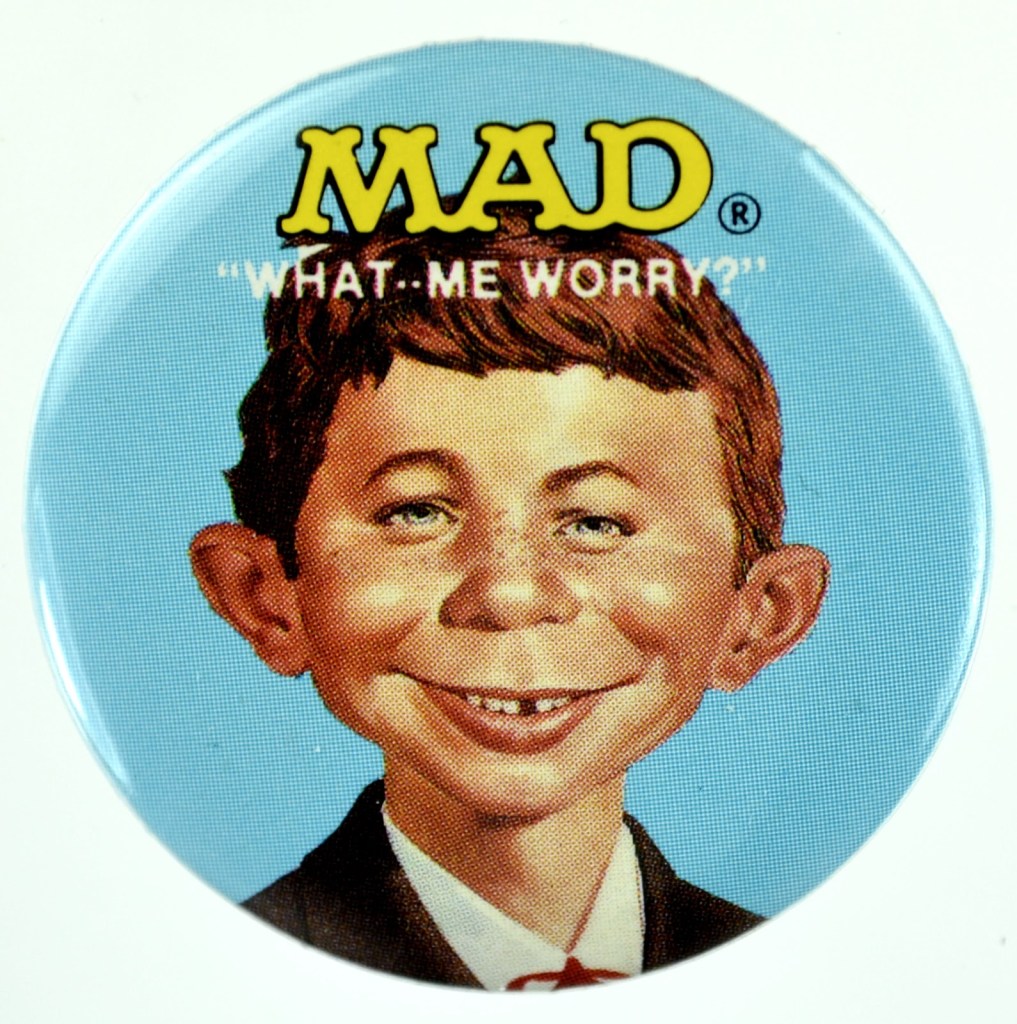
How J.D. Vance Sees the Base: